
A strong team rarely happens by luck. Your people learn plenty on the job, but the job alone won’t teach a new manager to give feedback or a sales rep to handle an angry client. Well-chosen corporate training programs for employees close those gaps on purpose. Ten programs cover most needs: leadership, communication, teamwork, problem-solving, time management, emotional intelligence, digital skills, customer service, ethics and inclusion, and simulation-based learning. Add a quick skill-gap check and a clear way to choose between options, and your training budget goes where it counts. First, why it matters at all.
Why Employee Training Matters
Skills age fast. The software your team mastered two years ago has new features, and your customers expect more every year. Employee training programs keep people current and show them you plan to invest in them. LinkedIn Learning’s Workplace Learning Report tracks how companies approach employee learning and development, if you want wider reading.
Solid corporate training programs pay off in ways you can see:
- Fewer errors and less rework
- New hires who reach full speed sooner
- Managers who coach instead of just assigning tasks
- Staff who stay longer because they keep growing
Take a software engineer in Bengaluru who gets promoted to team lead because her code is brilliant. Nobody has shown her how to run a one-to-one. Training does that. For a closer look at how organisations are approaching upskilling, the Association for Talent Development’s research on workplace learning is a useful, independent reference.

How to Spot Skill Gaps
You don’t need a big audit. Start with what you already have.
- Performance reviews: the same weakness across several people points to a training need, not a people problem.
- Manager feedback: ask team leads where work keeps getting stuck.
- Customer complaints: repeat issues show where service skills slip.
- Employee surveys: ask what people wish they had learned. Their answers feed straight into employee skill development plans.
Pick the two or three gaps that cost you the most, and start there. Employee training programs work best when they solve a problem you can name.
How to Choose the Right Program
Good workplace training programs share a few traits. Check them before you sign anything.
What to check | Why it matters |
Fit with your gap | A communication workshop won’t fix a time-management problem |
Customisation | A 15-person startup and a 300-seat call centre need different content |
Hands-on format | People remember what they practise |
Follow-up | One session rarely changes habits |
The 10 Corporate Training Programs for Employees Worth Your Budget
1. Leadership and Management Training
Newly promoted managers need more than a bigger title. This program teaches delegation, feedback, and how to run a good team meeting. Leadership training for employees on the manager track pays off first. A Gurgaon sales manager who learns to coach, not just chase targets, gives her reps a reason to stay.
2. Communication and Presentation Skills
A Pune IT analyst has to tell a client the release is late. Handled badly, that call drags on. This training teaches people to lead with the headline, back it with a fact or two, and invite questions. Presentation practice covers slides too.
3. Teamwork and Collaboration
Ask a marketing team in Noida when operations will send the artwork, and you may get a shrug. Collaboration training gives departments shared goals and a habit of flagging problems early. Team development activities such as joint challenges let people practise that habit where the stakes are low.
4. Problem-Solving and Critical Thinking
Problem-solving training is mostly practice. Employees take a messy case, work out what the real problem is, and defend a decision without all the facts. On a Chennai shop floor, that looks like a supervisor who finds that a recurring defect starts with one worn machine part.
5. Time Management
Hours disappear in small ways: an unplanned meeting here, a low-priority request there. A Hyderabad support lead learns to plan the week and say no politely to low-value work. Those hours go to the tickets that matter.
6. Emotional Intelligence
People learn to read tension, steady their own reactions, and respond with empathy. A Mumbai bank branch manager handling an upset customer and a stressed team on the same afternoon needs exactly this.
7. Digital Skills
Spreadsheets, collaboration tools, data basics, and safe online habits keep daily work moving. A retail chain moving its billing online needs store staff comfortable with the new system on day one.
8. Customer Service
Active listening, calm replies, and solving the problem on first contact. A call centre team in Gurugram handling overseas clients learns to settle a heated call without reading from a script.
9. Diversity and Workplace Ethics
Indian workplaces mix languages, regions, and generations. This program covers respectful conduct, fair decisions, and POSH awareness, so people know where the line sits and what to do when someone crosses it.
10. Experiential Learning Through Training Simulations
People learn by doing. Simulations drop teams into a realistic business scenario, so they practise decisions, trade-offs, and conflict before any of it costs real money. At UniTeams, our corporate training and simulations put your team in that scenario, then tie every exercise back to the job in a debrief. We also build custom modules around the gap you tell us about.


Why Hands-On Learning Boosts Participation
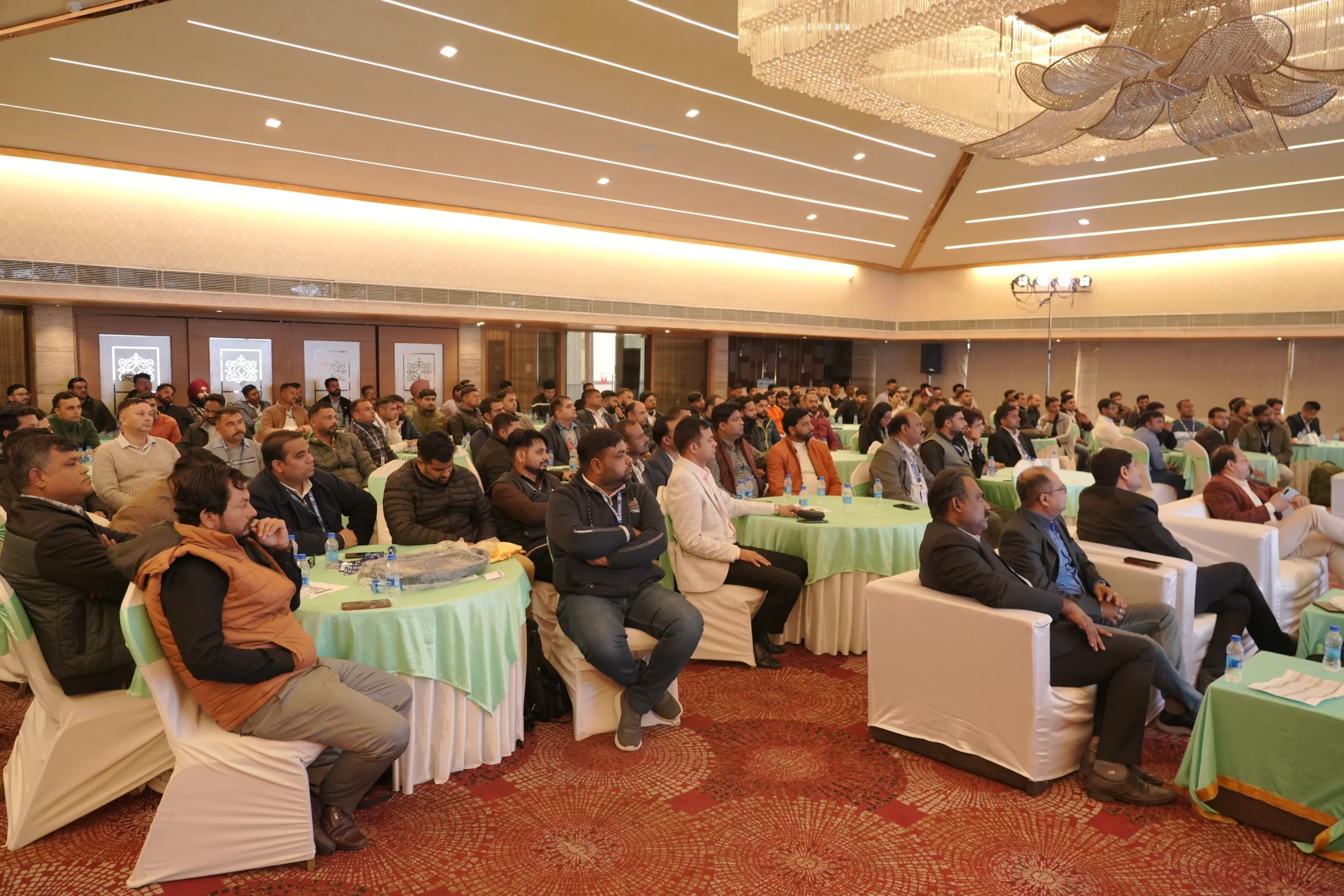
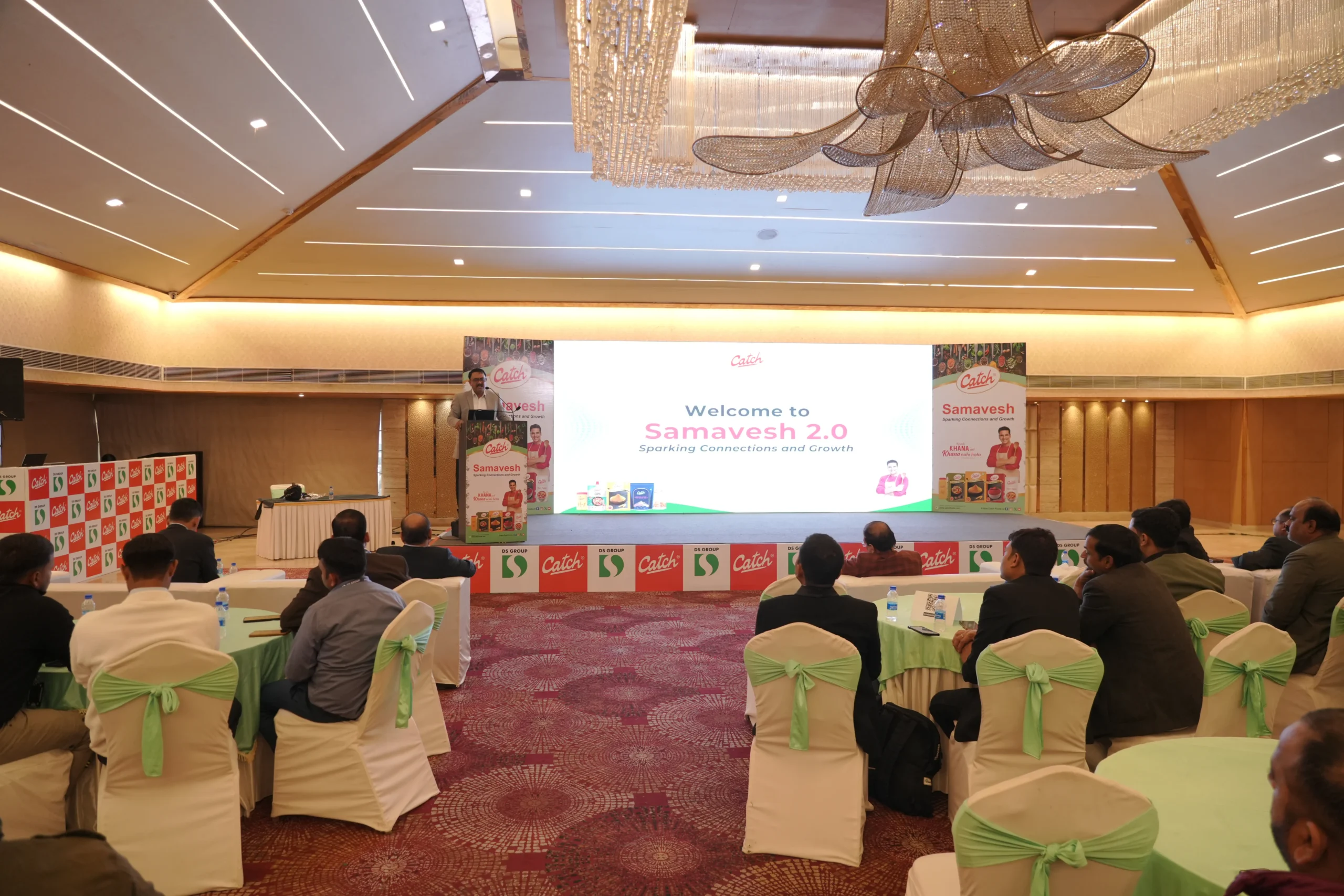
Lectures lose a room by the second slide. Activities keep people in it. Our indoor team building activities let teams practise communication around a table, and our outdoor team building activities add movement and real challenges. Our employee wellness programs keep energy up between sessions, which helps the next training day land better. Pair these with your workplace training programs, and people join in because they want to, not because HR asked.
Conclusion
Skills don’t build themselves. Corporate training in gurgaon give your people the confidence to lead and speak up, and they give your business a steadier, more productive workforce. Start with one gap, pick one program, and measure what changes.
Ready to build your team’s skills? Tell us the gap you’re facing, whether it’s leadership, communication, or a team that just won’t gel, and we’ll design a program around it. Contact us today and we’ll get started.
To close the gap between the skills your people have and the skills their jobs need. Done well, it lifts performance, confidence, and retention together.
Plan one core program each quarter, with short refreshers in between. New managers and fresh hires need theirs sooner, so schedule it within their first few months.
Communication. Nearly every other skill leans on it, so clearer conversations give a small team the biggest early gain.
Pick one or two numbers you already track, like error rates or turnaround time, and compare them before and after. A manager check-in at the 30 and 90 day marks shows which habits stuck.
Remote and hybrid teams get the same scenarios and group exercises through our virtual sessions.